Best aussie pokies online australia: what the offshore market actually offers in 2026
 Available in US
Finding the best online pokies sites to play from Australia is a search many players conduct, but the reality is that no such licensed shortlist exists. Online pokies are prohibited outright under the Interactive Gambling Act 2001, and no state or territory issues a licence for them. The closest legal equivalent is the licensed pokie inside a pub, club or casino — a different product, regulated state by state, and kept separate from any offshore offer on this page.
What the market does contain is a long list of offshore sites that brand themselves as “Aussie” and accept Australian players. The ACMA has spent the last several years warning, blocking and chasing those brands out of the market. This page sets out what that landscape actually looks like, what the offer on each of eleven named brands amounts to, and how a reader should read any bonus or catalogue claim the site carries.
Current as of 24 September 2026. Licence claims, ACMA actions and operator names verified against the Australian Communications and Media Authority register and the formal-warning publications it maintains.
Table of Contents
- Reading a pokie paytable without taking the marketing at face value
- How a pokie catalogue is actually organised
- What the term “Aussie pokies” actually denotes
- How the offshore market is policed from Australia
- Why no shortlist of “best aussie pokies online australia 2026” can be a real ranking
- What an “Aussie pokies no deposit bonus” actually costs the player
- What “aussie payid pokies” implies about a deposit route
- What the bonus credit on an “Aussie” site actually buys
- The eleven brands the ACMA has named
- What the ACMA’s blocking rate means
- What the regulated onshore product looks like in practice
- What responsible play looks like in the Australian context
- What an Australian reader actually has to choose between
- Frequently asked questions
Reading a pokie paytable without taking the marketing at face value
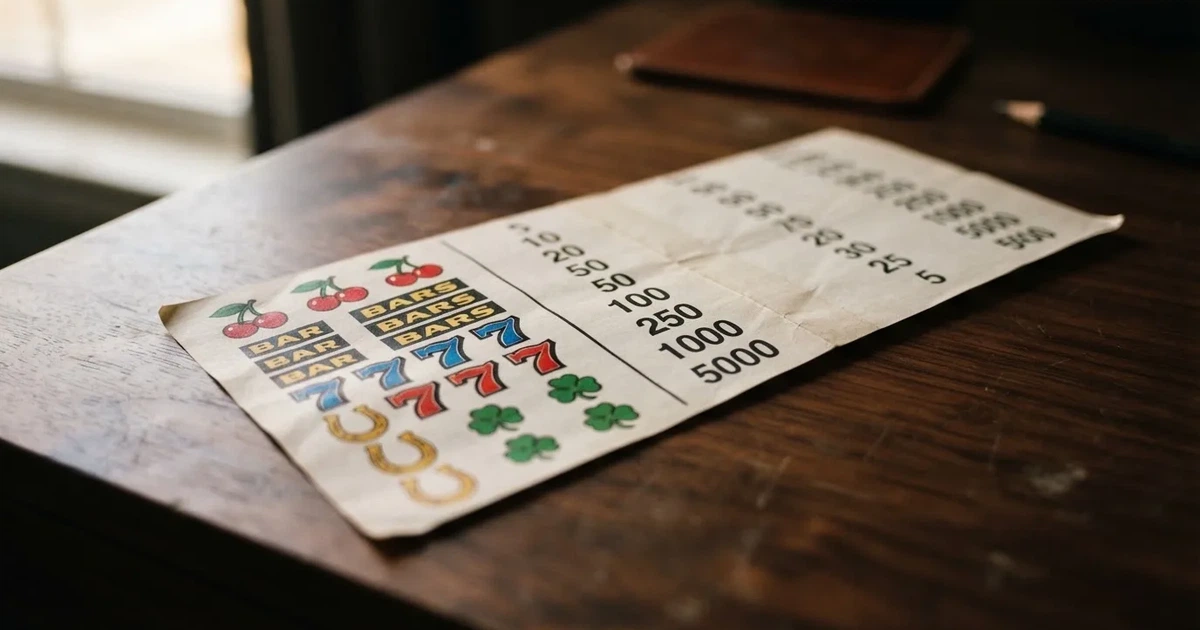
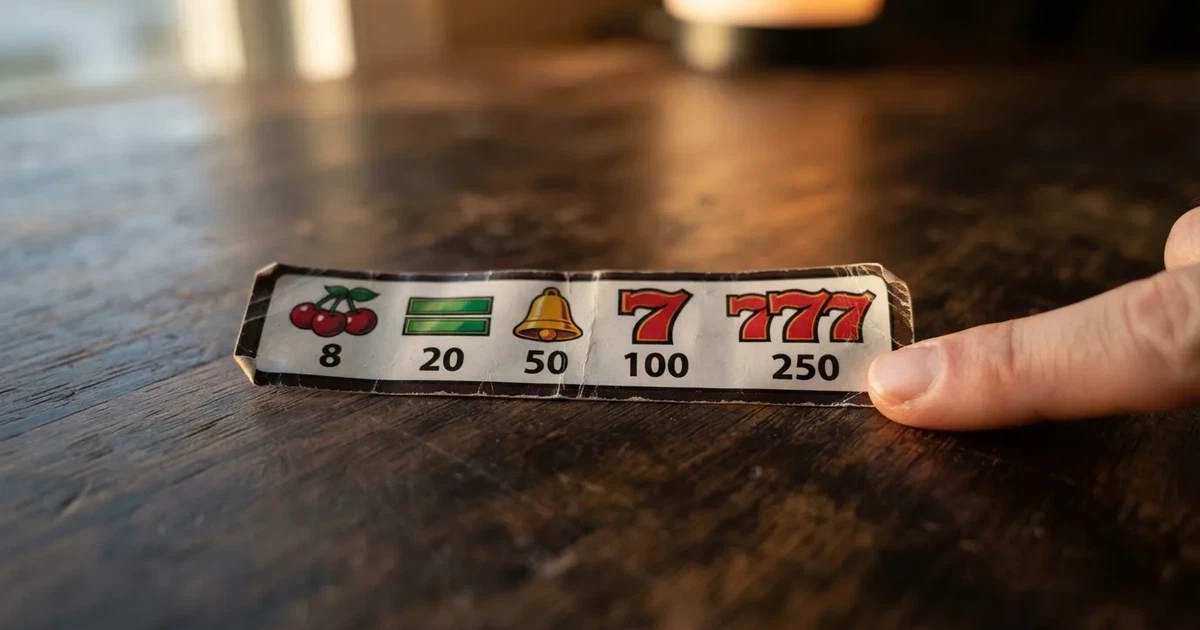
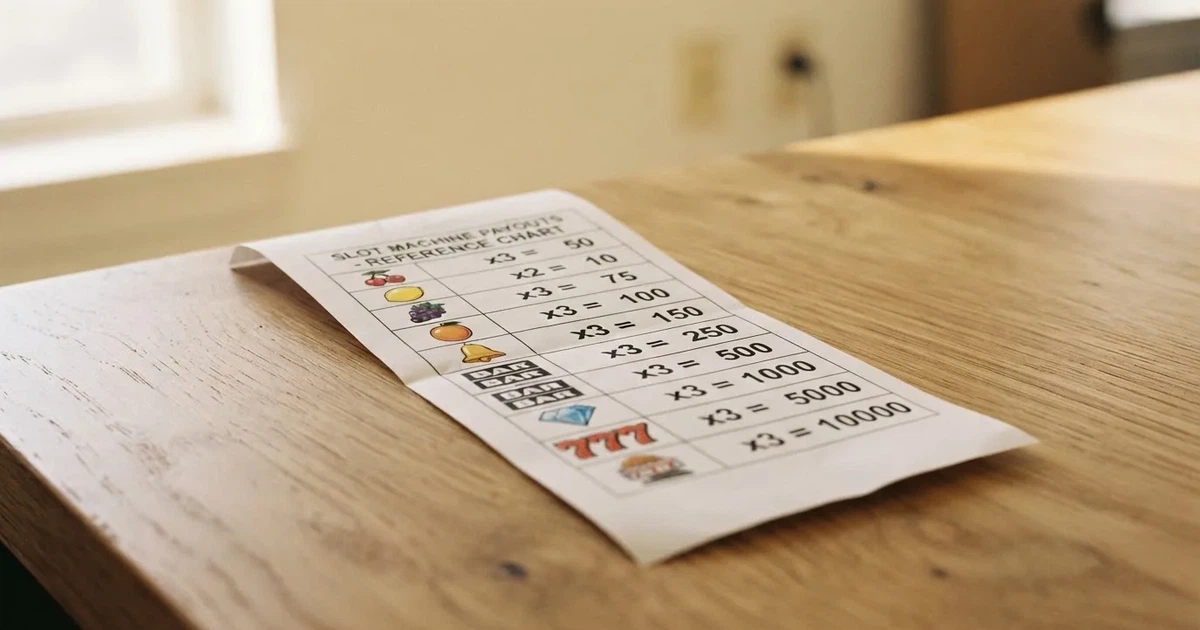
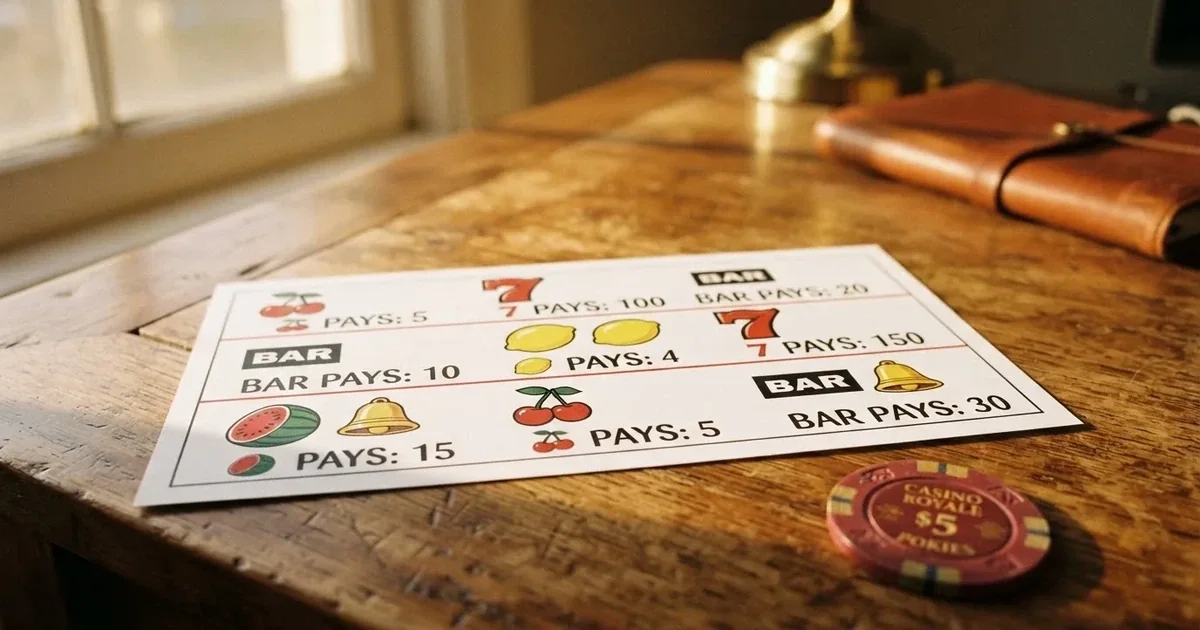
A paytable is the small reference card a pokie carries — the part of the screen that lists every symbol, what each combination pays and what the special symbols do. Every pokie game, whether it sits inside a licensed pub in NSW or runs on an offshore site, builds its results around the same pieces: reels that spin, symbols that land in rows, lines across the reels that decide which combinations pay, and a return-to-player number that says what share of money taken in is paid back over a long run.

The combination a game advertises is the one that matters. Three matching high symbols across a paying line is the basic win. Most games also run wilds, which substitute for other symbols to complete a combination, and scatters, which pay anywhere on the reels rather than only on a line. Free-spin rounds and pick-style bonus features pay out at higher rates than the base game, because the game buys those moments by paying less on the base spins. The marketing puts the bonus round forward; the paytable puts it in context.
The number that matters most, and the one the marketing almost never puts forward, is the return-to-player — the share of every dollar wagered that the machine returns as winnings over millions of spins. Across Australian jurisdictions the legal minimum for a land-based pokie sits between 85% and 90%, depending on the state: 85% in New South Wales, the Northern Territory, Queensland and most of Victoria, 87% at Crown Melbourne, 87% in the ACT and Tasmania, 87.5% in South Australia and 90% in Western Australia. The house keeps the rest. That spread exists because each jurisdiction sets its own floor, and the floor is the most generous number a licensed venue can offer — the real machine in any given venue pays out somewhere above it, set by the operator within state rules.
Volatility is the second number worth knowing. A high-volatility pokie pays out rarely, but the wins it does pay are large. A low-volatility pokie pays out often, but the wins are small. The marketing tends to describe the rare large wins because they photograph well. A reader who wants a long session on a modest bankroll is better served by the lower-volatility end of any catalogue, regardless of which brand hosts it.
How a pokie catalogue is actually organised
A pokie catalogue is the list of games a site makes available. Offshore sites brand it as a “library”; pubs and clubs brand it as a “machine bank”. The structure underneath is the same: games grouped by theme (fruit machines, ancient Egypt, mythology, branded television tie-ins), by mechanical type (three-reel, five-reel, Megaways-style layouts that change the number of ways to win on every spin) and by feature type (free-spin heavy, jackpot-bearing, hold-and-spin style games where the reels lock in place while bonus symbols land).

A reader who walks into a catalogue without knowing what to look for will judge it by the cover image. A reader who knows the mechanical type will find what suits faster. Five-reel video pokies dominate modern catalogues because they fit the modern screen and carry the feature rounds the marketing wants to sell. Three-reel games sit at the edges of any catalogue because they look old; some players prefer them because the rules are simpler and the bonus rounds tend to be absent. Megaways-style games carry an ever-changing number of ways to win on each spin, which makes the base game more variable than a fixed-line game.
Jackpot pokies carry a top prize that grows as players feed the machine, either as a fixed amount or as a progressive pool. The fixed jackpot is funded from the game’s own RTP and is the more honest of the two: a progressive jackpot is paid for by a reduction in the return-to-player on every other spin, which is why the marketing rarely quotes the RTP on a progressive game. A reader who wants to know what the pokie pays on a normal spin should look for the non-progressive end of the catalogue.
The offshore brand’s catalogue is not audited the way a licensed Australian venue’s machine bank is. A licensed pub or club in NSW, for example, runs machines whose RTPs and volatility are published and reviewed by Liquor & Gaming NSW. The offshore pokie on the same theme carries whatever return-to-player its developer publishes, and there is no Australian complaints body to take up a reader’s case if the published number turns out to be wrong. The catalogue looks like the same product; the regulatory floor under it is not.
What the term “Aussie pokies” actually denotes
The phrase “Aussie pokies” is marketing copy, not a licence category. The Australian licensed product is a pokie inside a licensed pub, club or casino. The offshore product that uses the phrase is, in every case, a game developed and licensed outside Australia, run on servers outside Australia, and hosted by an operator that the ACMA has either warned or blocked for offering a prohibited service to Australians.
The phrase has currency because the legal product is well known. Australians bet almost A$150 billion through gaming machines in 2020–21 and lost A$12.18 billion on them. Australia holds about 3% of the world’s pub and club poker machines while carrying 0.3% of the global population. New South Wales alone runs 87,298 gaming machines outside casinos across 2,195 venues (June 2023), and players lost A$8.18 billion on them in 2022–23. Queensland operates 21,122 machines in 351 venues, Victoria 26,380 outside Crown in 488 venues under a statewide cap of 30,000. The phrase “Aussie pokies” borrows the familiarity of those machines and applies it to a different product.
A reader who sees “Aussie pokies” on a website is reading branding, not a jurisdiction. Whether the operator is licensed at all is a separate question, and for online casino games it has only one answer: no. The Interactive Gambling Act 2001, strengthened by the Interactive Gambling Amendment Act 2017, makes it an offence to provide online casino games, online pokies or in-play betting to a person in Australia. No state or territory licenses them. Whatever licence number the offshore site displays on its footer is a licence from a different jurisdiction, in most cases Curaçao or Anjouan, that does not extend to Australian players.
How the offshore market is policed from Australia
The Australian Communications and Media Authority runs the enforcement. It investigates complaints, issues formal warnings to operators, and directs Australian internet service providers to block illegal sites at the network level. As of June 2026, the ACMA had asked ISPs to block 1,751 illegal gambling and affiliate marketing websites since the first blocking request in November 2019, and more than 230 unlicensed services had left the Australian market since enforcement was strengthened in 2017.

A blocking round reported on 26 June 2026 added 12 more domains to the list: 7Signs, ChromaBet, Donbet, Duospin, Freshbet, Slots Gem, Jacks Club, Lucky Start, Pointsbetz.com, Spinrise, Vinyl Casino and Wildsino. Each blocking round produces a fresh wave of complaints from Australian players who had balances on those sites at the moment of the block. The ACMA does not refund those balances; the offshore operator does, when it can be reached.
The formal-warning track runs alongside the blocking track. A formal warning is a published notice that names an operator, the legal provision it breached, and the date. The names on the warnings come from a structured regime: each warning names the corporate entity behind the site (the licence holder or white-label operator), the domain published to Australians, and the Australian law the ACMA says the service breached. The list below names the eleven brands the ACMA has warned, the operator behind each, and the date of the warning. It is not a ranking. A reader who treats it as a recommendation has read it wrong.
The Northern Territory Racing and Wagering Commission (NTRWC) sits at the other end of the licensing picture. It regulates 52 of Australia’s online bookmakers — Sportsbet, Bet365 and Ladbrokes among them — under Northern Territory licences the operators hold for tax reasons. The commission has no full-time staff and meets once a month in Darwin, which is a structural fact about how thin the regulator is even on the licensed side. It does not regulate online pokies, because no Australian jurisdiction does.
Why no shortlist of “best aussie pokies online australia 2026” can be a real ranking
The assumption that online pokies sites constitute a licensed market is incorrect. The Australian market is not licensed for this product, so any attempt to create a verified shortlist is inherently flawed. The section above describes those operators because the reader asks about them, but the description focuses on what each brand offers and where the ACMA has stood on it, not on any recommendation to deposit.
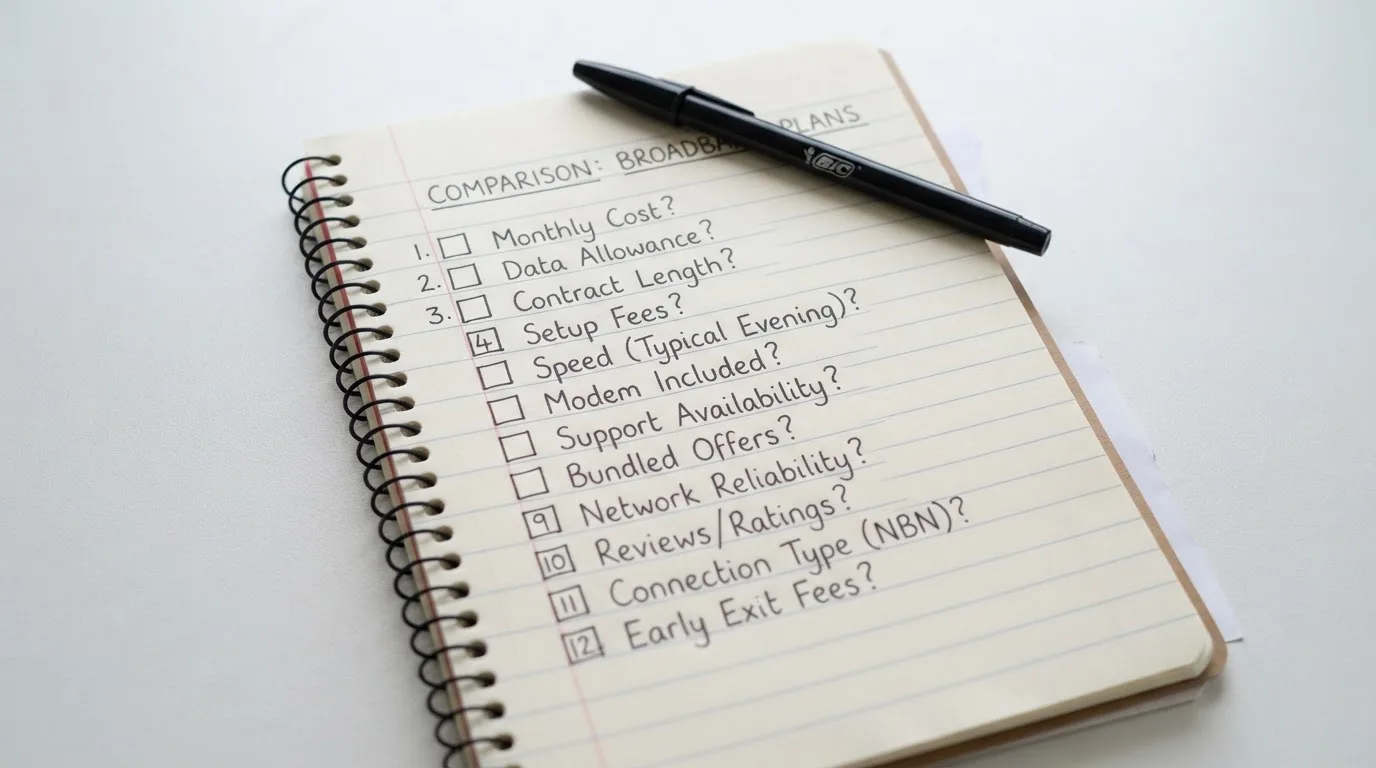
The closest thing to a fair comparison a reader can make in this market is between categories, not between brands. The categories are:
- The regulated onshore product (the licensed pub, club or casino pokie), where the RTP floor is published, the machine is audited and the player has an Australian complaints body.
- The offshore brand that the ACMA has warned once.
- The offshore brand that the ACMA has warned more than once, including for a previous corporate owner.
- The offshore brand currently subject to a blocking round.
A reader who wants the regulated product finds it in a licensed venue. A reader who lands on an offshore site is, by definition, on a site the ACMA has acted against or that resembles one closely enough to be on the next blocking list. The fair comparison is between the regulated product and the unregulated product, and the regulated product wins it on every count the reader can check.
What an “Aussie pokies no deposit bonus” actually costs the player
A no-deposit bonus is the marketing’s favourite phrase. The site offers free credits or free spins in exchange for opening an account, with no deposit required to claim them. The offer is real. The qualifier is the wagering requirement, which converts the free credits into a sum the player must turn over before any winnings can be withdrawn.
A typical offshore offer on this market runs a wagering multiple somewhere between 35 and 50 times the bonus amount, on a restricted list of games, with a maximum cashout cap that limits how much of the winnings the player can actually withdraw. The free credits are not a gift; they are a marketing cost the site recoups by taking a slice of every spin the player makes during the wagering period. The cap is the part that decides whether the offer is worth taking at all.
Two scenarios make the point. On a bonus of A$20 with a 40-times wagering requirement and a maximum cashout of A$100, the player must turn over A$800 in bets before any winnings can be withdrawn. If the pokie pays out at 96% over that volume, the expected loss is A$32. The bonus is technically free; the play is statistically expected to cost the player more than the bonus is worth. A second bonus of A$50 with the same 40-times requirement and a A$200 cap requires A$2,000 in turnover, an expected loss of A$80, and a cap that limits the upside regardless of how well the session runs.
A reader who does take a no-deposit bonus is, on the arithmetic, paying for the chance to play rather than receiving a gift. The page does not recommend that path. It sets the cost out so a reader can see what the offer is worth before claiming it.
What “aussie payid pokies” implies about a deposit route
PayID is an Australian real-time payment rail that sits on top of the New Payments Platform. It runs through Osko, the instant-transfer service the major Australian banks built in 2018. A PayID deposit to an Australian-licensed wagering service is normal; PayID is one of four legal deposit routes for licensed wagering, alongside debit card, bank transfer and BPAY.

A PayID deposit to an offshore pokie site is a different matter. The PayID transfer itself works — it settles in seconds, the funds reach the recipient’s bank account. What it does not do is confer any Australian consumer protection on the deposit. An offshore site receiving PayID is operating outside the Australian rules, which prohibit credit cards, credit-related products and digital currency for licensed wagering but do not prohibit debit-based payment to unlicensed operators.
A reader who pays an offshore pokie site by PayID has made a real-time transfer to an account the ACMA has acted against or that resembles one closely enough to be on the next list. The speed of the rail is the only thing the deposit shares with a deposit to a licensed Australian bookmaker. The recourse if the withdrawal is refused is the difference: a licensed bookmaker sits inside an Australian complaints framework; an offshore pokie site does not.
The same shape applies to BPAY. The bill-payment rail exists to settle in one to two business days for most Australian accounts. A BPAY payment to an offshore site uses the same rail but lands at an account that is, again, outside the Australian framework. The deposit works; the protection does not travel with it.
What the bonus credit on an “Aussie” site actually buys
A bonus credit is the headline offer most offshore pokie sites lead with: a percentage match on the first deposit, packaged as welcome credit, with a wagering requirement attached. The marketing frames the offer as “free money” or “extra to play with”. The arithmetic frames it as a marketing cost the site recovers through the wagering requirement, the game restrictions and the cashout cap.
A welcome package that offers a 100% match up to A$500 with a 40-times wagering requirement on the bonus is a real offer. It is also an offer that costs the player, on the average, more than the bonus is worth if every spin is treated as a unit. The expected loss on the A$500 bonus with a 40-times requirement is A$800 in turnover at 96% RTP, or A$32 — a meaningful number against a bonus that nominally pays A$500.
The deposit-gated shape of the same offer is a small bonus with a much heavier requirement. A 200% match up to A$100 with a 50-times wagering requirement on the bonus requires A$5,000 in turnover for an A$100 bonus, with an expected loss of A$200. The smaller bonus carries a larger expected cost per dollar of bonus. The marketing puts the larger percentage forward; the maths puts the smaller offer ahead on expected cost.
Free spins sit at the bottom of the same calculation. A bundle of 200 free spins on a single named pokie, valued at A$0.20 per spin, is a A$40 effective bonus. The wagering requirement on the winnings — typically 30 to 50 times — applies to whatever the free spins pay out, not to the original A$40. The cap on what the player can withdraw from the free-spin winnings is the part that decides whether the bundle is worth claiming.
The phrasing the marketing uses — “free”, “extra”, “bonus”, “welcome package” — is the language of inducement. The Interactive Gambling Amendment (Gambling Reform) Bill 2026, which passed Parliament on 19 August 2026, makes advertising and inducement in this category the subject of new restrictions commencing 1 January 2027. Law with a start date, not yet in force on a 2026 page, but a clear signal about where the regulator sees the practice.
The eleven brands the ACMA has named
The brands below are not a recommendation. Each one is included because the ACMA itself issued a formal warning over it for offering prohibited services to Australians. The operator behind each brand, the date of the warning, and what each brand offers are recorded because the ACMA’s action is the only verified fact about these brands the page can carry. A reader who lands on any of them is, by definition, on a site the regulator has named.
| Brand | ACMA action and date | Operator named by the ACMA | Subject support |
|---|---|---|---|
| RocketPlay | Formal warning, March 2026 | Pulsup Ltd (Rocketplay.com.au); earlier Dama N.V., May 2022 | — |
| Level Up Casino | Formal warning, May 2022 | Dama N.V. | Game-provider listings name BGaming as one of the studios behind the catalogue |
| Woo Casino | Formal warning, March 2025 | Dama N.V. | — |
| Spirit Casino | Formal warning, May 2025 | Dama N.V. | — |
| National Casino | Formal warning, July 2025 | Consolutetish S.R.L. | Game-provider listings reference the brand name |
| Bizzo Casino | Formal warning, July 2025; earlier 2022 | Consolutetish S.R.L.; earlier TechSolutions (CY) Group Ltd and TechSolutions Group N.V. | — |
| Ignition Casino | Formal warning, July 2025 | Bamboo Media | — |
| Instant Casino | Formal warning, February 2025 | EOD Code SRL | — |
| Jackbit | Formal warning, April 2026 | Ryker B.V. | — |
| Casino Intense | Formal warning, April 2025 | Sterplay Holding Ltd | Listed in coverage of state-level machine arrangements |
| Sky Crown | Formal warning, September 2022 | Hollycorn N.V. | — |
A few details the table does not carry. Hollycorn N.V. was warned over Sky Crown and Blue Leo as a single corporate action. Dama N.V. has been warned more than once, with RocketPlay, Level Up Casino, Woo Casino and Spirit Casino spread across May 2022, March 2025 and May 2025. TechSolutions was warned over Bizzo Casino in 2022; the warning reappears in July 2025 under Consolutetish S.R.L., which the ACMA names as the operator behind the brand in the second warning. The pattern across these warnings is one operator using different brands at different times, with each new brand inheriting the previous brand’s regulatory history without inheriting the goodwill of it.
RocketPlay
RocketPlay’s formal warning is dated March 2026, with Pulsup Ltd as the operator named by the ACMA. The same brand was the subject of an earlier Dama N.V. warning in May 2022, which means the brand has changed corporate ownership at least once between warnings. The catalogue carried on the site is built around the same five-reel video pokie format most offshore brands ship, with bonus rounds and Megaways-style layouts as the headline categories. The marketing leans on the welcome bonus and free-spin package rather than on a distinctive game library. For an Australian reader, the brand’s regulatory history is the only verifiable fact about it. The offer is no different in shape from any other site on this list.
Level Up Casino
Level Up Casino sits under the same Dama N.V. warning from May 2022. The site’s catalogue lists BGaming among the game studios whose titles appear on the platform, which is the verified connection between the brand and a game provider rather than a recommendation of either. The site structure is the standard offshore pattern: a five-reel video pokie library, a separate live-casino tab, a welcome package layered as deposit bonuses with free spins attached. Regulatory records show this brand has been formally warned by the ACMA. The brand has continued to take Australian sign-ups since the warning.
Woo Casino
Woo Casino was warned in March 2025, under Dama N.V. The warning sits alongside Spirit Casino’s May 2025 warning as part of the same corporate action. The site structure is the same five-reel catalogue with a welcome package as the headline offer. Woo Casino does not publish a verifiable Australian licence because no Australian licence exists for this product. The brand carries the same offshore shape as every other entry in the table.
Spirit Casino
Spirit Casino’s warning is dated May 2025, under Dama N.V., alongside Woo Casino. The brand is newer to the ACMA’s published list than Woo Casino and operates on the same corporate structure. The catalogue and welcome offer are not distinguishable from the rest of the list in any verifiable way. The brand is included here because the ACMA has named it.
National Casino
National Casino’s warning is dated July 2025, with Consolutetish S.R.L. as the operator. Game-provider listings reference the brand name in the context of multi-brand corporate groups that operate several casino skins at once. The site structure is the same offshore pattern as the rest of the list. The ACMA’s action against the operator remains an established fact for this brand.
Bizzo Casino
Bizzo Casino has two warnings: July 2025 under Consolutetish S.R.L., and a 2022 warning under TechSolutions (CY) Group Ltd and TechSolutions Group N.V. Two warnings across two corporate owners is the clearest signal on this list that the brand has changed hands and the new owner has inherited the previous owner’s regulatory record. The catalogue and the welcome offer follow the standard offshore pattern. For a reader, the brand’s history is the strongest available evidence that the offer on it has been the subject of formal regulator action more than once.
Ignition Casino
Ignition Casino’s warning is dated July 2025, with Bamboo Media as the operator. The brand has been on the offshore market for several years and carries a catalogue shaped around five-reel video pokies and a poker room. This site is currently on the ACMA’s formal warning register. The brand’s offshore licence, where it is displayed, is not an Australian licence.
Instant Casino
Instant Casino’s warning is dated February 2025, with EOD Code SRL as the operator. The brand’s catalogue and offer are the standard offshore pattern. This warning is explicitly documented in the ACMA’s formal records.
Jackbit
Jackbit’s warning is dated April 2026, with Ryker B.V. as the operator. The brand is one of the most recently named on the ACMA list. The offer and catalogue follow the standard offshore pattern. Regulatory oversight by the ACMA remains in effect for this brand.
Casino Intense
Casino Intense’s warning is dated April 2025, with Sterplay Holding Ltd as the operator. Coverage of state-level machine arrangements references the brand in passing. The site structure is the standard offshore pattern.
Sky Crown
Sky Crown’s warning is dated September 2022, with Hollycorn N.V. as the operator. The same corporate action named Blue Leo. Sky Crown is the longest-standing formal warning on this list. The brand has continued to take Australian sign-ups since the warning. The catalogue and offer are the standard offshore pattern.
What the ACMA’s blocking rate means
The blocking rate is the share of illegal gambling and affiliate marketing websites the ACMA has asked ISPs to block per year, since the first blocking request in November 2019. With 1,751 sites blocked between November 2019 and June 2026 — about six and a half years — the average is somewhere between 200 and 300 blocked sites per year, with year-to-year variation driven by the size of each blocking round. The June 2026 round alone added 12 more domains, and earlier rounds have added larger numbers. The rate is the most current measure of how fast the regulator is moving against the offshore market.
A reader who treats the rate as evidence that the regulator is winning should treat it as evidence the regulator is moving. The total of 1,751 blocked sites is the count of sites blocked, not the count of brands operating; a single operator can run several skins, and each domain counts separately in the ACMA’s register. The 230-plus services that have left the Australian market since 2017 is a separate, smaller number that captures operators that have wound down their Australian-facing presence rather than been blocked. The two figures together describe a regulator that is acting, not a market that is shrinking to zero.
The rate is also uneven across operator types. Blocking rounds have included both casino brands and affiliate-marketing sites that drive traffic to them. A reader who lands on an affiliate page rather than a casino page is on a site the ACMA has blocked for its role in the funnel, not for running games itself. The affiliate path is the reason the blocked-site count is much larger than the operator count.
What the regulated onshore product looks like in practice
The regulated onshore product is the licensed pokie inside a pub, club or casino. New South Wales holds the largest machine bank — 87,298 gaming machines outside casinos across 2,195 venues (June 2023) — and recorded player losses of A$8.18 billion in 2022–23. Queensland operates 21,122 machines in 351 venues (October 2023). Victoria runs 26,380 machines outside Crown in 488 venues under a 30,000 statewide cap. Western Australia banned poker machines in pubs and clubs when Crown Perth opened in 1985, although Crown Perth itself runs about 2,500 machines approved by the state’s Gaming and Wagering Commission. Tasmania’s machines were operated under a monopoly held by the Federal Group from 1968 until legislation passed in November 2021 ended it, moving oversight to the Tasmanian Liquor and Gaming Commission.
The minimum return-to-player for a licensed pokie is set by the state. New South Wales, the Northern Territory, Queensland and (generally) Victoria set the floor at 85%; Crown Melbourne at 87%; the ACT and Tasmania at 87%; South Australia at 87.5%; Western Australia at 90%. The licensed venue publishes the RTP for each machine on a card next to the machine, and the regulator publishes the audit. A reader who walks into a licensed club can read the RTP on a piece of paper; a reader who opens an offshore site cannot read anything comparable.
The reform agenda on the licensed side has not stood still. Tasmania planned nation-leading mandatory pre-commitment cards for its poker machines, with implementation delayed until late 2025. Crown Melbourne’s baccarat tables are regulated by the Victorian Gambling and Casino Control Commission, which replaced the VCGLR as Victoria’s casino regulator on 1 July 2022. Section 66 of the NSW Casino Control Act 1992 requires a casino operator to seek regulator approval before offering a game and to make the approved rules available on request. The licensed product sits inside a framework the offshore product does not.
What responsible play looks like in the Australian context
If the question of whether to play online pokies is starting to affect sleep, mood or finances, free confidential help is available any time through Gambling Help Online, with a 24/7 phone line at 1800 858 858. The service is run by the states and funded by hypothecated gambling revenue.
BetStop, the National Self-Exclusion Register, has been live since August 2023. It binds Australian-licensed online and phone wagering services — a player who registers with BetStop is excluded from every licensed Australian wagering operator at once. An offshore casino is not connected to BetStop, which means self-exclusion through BetStop does not exclude a player from offshore sites. A reader who wants offshore exclusion has to do it operator by operator, and most offshore operators do not offer Australian-specific exclusion tooling.
The National Gambling Helpline and Gambling Help Online are the right place to start. The fact that offshore pokies are not licensed in Australia is the reason BetStop does not cover them; the licensed path and the help lines are the ones the Australian framework supports.
The minimum age for any Australian wagering or gaming product is 18. A reader under 18 is outside the licensed market entirely. The offshore product does not check age the way the licensed market does, which is another structural difference between the two.
What an Australian reader actually has to choose between
A reader who has read this far has the shape of the choice. Three paths exist, and they are not equivalent.
The regulated onshore path is the licensed pub, club or casino. The pokie carries a state-set minimum RTP, the machine is audited, the operator is licensed by an Australian regulator and the player has an Australian complaints body. The downside is the path requires physical presence at a licensed venue, which is not what the reader asks about but is what the Australian law actually allows.
The offshore path is the site the ACMA has warned. The catalogue is wider, the marketing is louder, and the offer is more heavily advertised. The downside is structural: no Australian licence, no Australian complaints body, no Australian consumer protection, no BetStop coverage, and a real possibility that the next blocking round will lock the player’s balance behind an ISP block. The reader is paying for the wider catalogue by accepting the absence of protection.
The approach implied — a ranked shortlist of “best aussie pokies online australia 2026” — does not exist in a form a regulator would endorse. The page describes the offshore brands because the reader asks about them, and it sets out what the ACMA has done because the regulator’s actions are the only verified facts about those brands. A reader who treats this page as a recommendation to deposit has read it wrong; a reader who treats it as a description of what each brand actually offers and what the regulator’s record on each one looks like has read it as written.
Frequently asked questions
Does calling an online pokies site “Aussie” change where it is actually licensed?
No. The phrase is branding, not a jurisdiction. Every offshore pokie site accepting Australian players is licensed by a non-Australian regulator — most commonly Curaçao or Anjouan — and the Interactive Gambling Act 2001 makes the offer of online casino games to a person in Australia an offence. The “Aussie” tag borrows the familiarity of the licensed onshore product without inheriting its regulatory standing.
Are the bonus credits and free spins on an “Aussie pokies” site legal to advertise here?
The Interactive Gambling Act 2001, strengthened by the 2017 amendments, makes it an offence to provide online casino games and online pokies to a person in Australia, and inducements attached to those games sit inside the same prohibited category. The Interactive Gambling Amendment (Gambling Reform) Bill 2026 passed Parliament on 19 August 2026 and tightens advertising and inducement measures further, with commencement on 1 January 2027. Law with a start date, not yet in force on a 2026 page, but a clear signal.
Is there a dedicated app for Aussie-branded online pokies that is legal to install locally?
No Australian-licensed online casino app exists, because online casino games cannot be licensed anywhere in Australia. Offshore apps exist and are installable on a phone, but they sit outside the Australian framework. A reader who installs one is using an app offered by an operator the ACMA has acted against or that resembles one closely enough to be on the next list.
Do state gaming regulators recognise any “Aussie online pokies” brand as licensed?
No state or territory gaming regulator licenses online pokies. The NTRWC licenses online bookmakers for wagering on races and sport before the event, which is a different product from online pokies. The Victorian Gambling and Casino Control Commission regulates land-based casino games at Crown Melbourne, including baccarat variants and table games; it does not extend to online pokies, which no Australian regulator licenses.
How does an Aussie-branded online pokies catalogue differ from a licensed pub’s machines?
The catalogue is wider and the marketing is louder. The RTP is not published and audited the way a licensed Australian machine’s RTP is. A licensed pub machine in NSW, for example, carries an RTP at or above the 85% state floor, audited by Liquor & Gaming NSW. The offshore pokie on the same theme carries whatever RTP its developer publishes, and there is no Australian complaints body to take up a reader’s case if the published number is wrong. The catalogue looks like the same product; the floor under it is not the same.
Can an Aussie-branded online pokies site accept a PayID deposit and still be unlicensed?
Yes. PayID is a real-time Australian payment rail, and an offshore site accepting PayID settles the deposit in seconds. The PayID transfer does not confer any Australian consumer protection on the deposit. The licensed deposit routes for Australian wagering — debit card, bank transfer, PayID/Osko and BPAY — apply to licensed operators; an offshore pokie site accepting PayID is operating outside the Australian rules, and the deposit does not travel with an Australian complaints framework.
Created by the ”Pokies Info Hub” editorial team.